

Central Heating Leak Detection in Cambridge
A boiler that repeatedly loses pressure can leave you constantly topping up the system and wondering where the water is going. Complete Solutions provides central heating leak detection in Cambridge, helping homeowners and businesses investigate hidden water loss, damp patches and suspected heating pipe leaks. We use specialist detection equipment to narrow down the source while avoiding unnecessary disruption to floors, walls and finishes.
Contact Us Now
Hidden Heating Leaks Need More Than Another Top-Up
If your heating system keeps losing water, restoring the pressure may only provide temporary relief. The underlying problem could involve an accessible radiator connection, concealed heating pipework or a fault associated with the boiler. Establishing which part of the system needs attention is the first step towards a suitable repair.
At Complete Solutions, our approach focuses on investigating the symptoms and tracing the source. Tell us how often the pressure falls, whether the problem changes when the heating runs, and whether any damp has appeared. These details help guide the investigation.
Our central heating leak detection in Cambridge is particularly useful when there is no obvious dripping pipe or wet radiator. Instead of opening several areas in the hope of finding a leak, a targeted survey helps establish where further checks or access may be needed.

Is Your Boiler Losing Pressure Without an Obvious Leak?
A falling pressure gauge is often the first thing customers notice. Your heating may work after repressurising, only for the pressure to drop again hours or days later. In some properties, this happens without any visible water around the boiler or radiators.
A hidden leak is one possible explanation, but pressure loss alone does not confirm that a pipe beneath the floor is leaking. Boiler components, pressure relief arrangements and other system issues can produce similar symptoms. Understanding that distinction helps avoid unnecessary work.
Unexplained staining, swollen flooring or damp near heating pipes can provide further clues. However, moisture can travel before becoming visible, so the wettest patch is not always directly above the source. We assess the available evidence before recommending how the investigation should proceed.
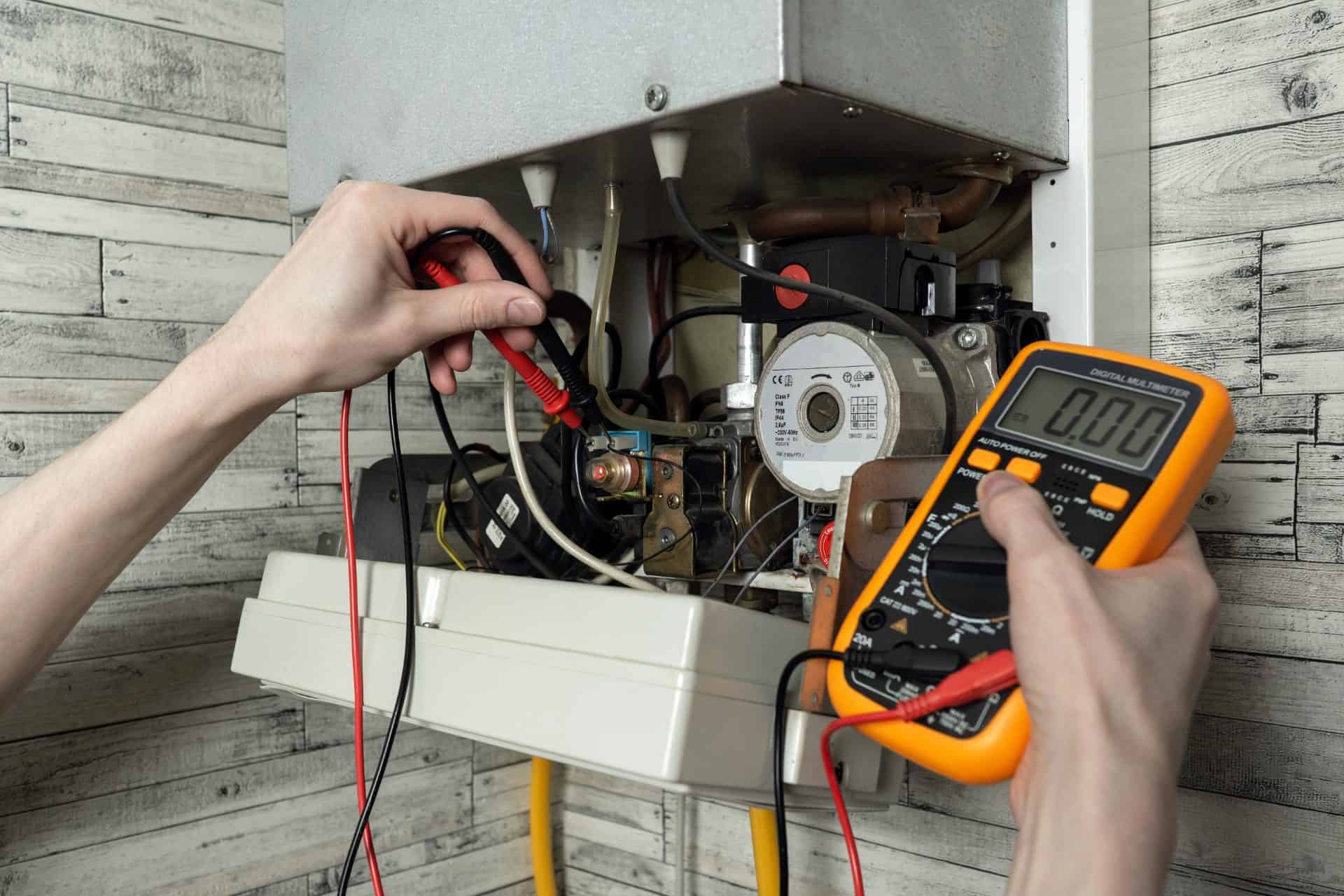
Tracing Concealed Heating Pipes with Specialist Equipment
Heating pipes can run beneath floorboards, through walls or within solid floors, making a visual inspection alone insufficient. Our detection methods help investigate these concealed areas while limiting avoidable opening-up work.
Depending on the circumstances, we may use thermal imaging, acoustic listening, moisture measurements or tracer gas. Each method provides different information, and the most appropriate combination depends on the pipework, floor construction, accessibility and condition of the system.
The aim is to build a clearer picture of the suspected leak location. Non-invasive testing can reduce the search area, although targeted access may still be required to confirm the defect or complete a repair.
If the symptoms suggest another source of water loss, our wider water leak detection service can help investigate plumbing beyond the heating circuit.
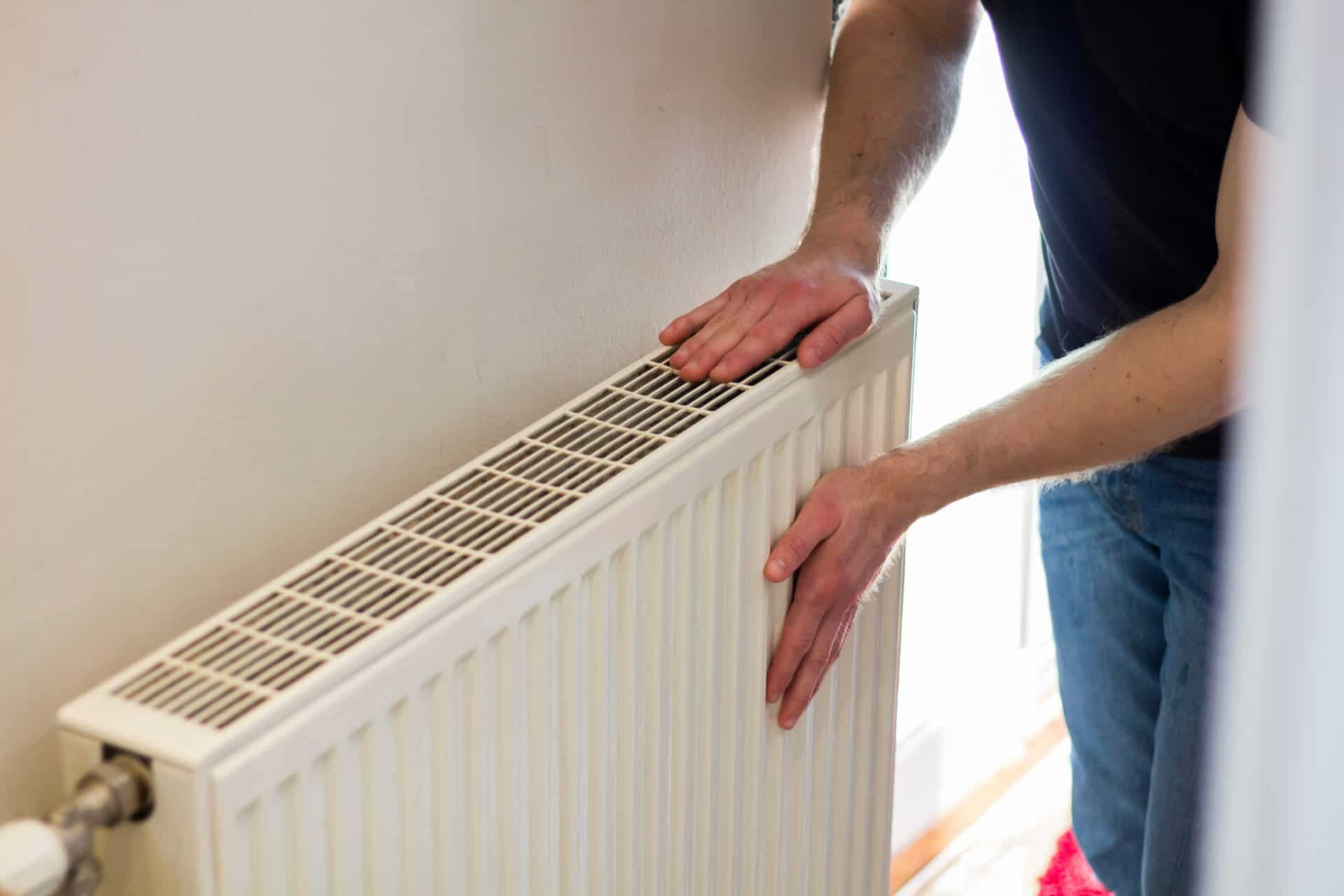
A Clear Investigation from First Enquiry to Findings
When you enquire, explain what you have noticed and any checks already completed. Previous boiler repairs, radiator replacements or pressure tests can provide useful context and help avoid repeating work unnecessarily.
During the investigation, we assess the accessible parts of the heating system and select suitable detection methods. Where appropriate, further testing can help distinguish between different sections of pipework and narrow the search.
We then explain the findings, including any limitations and whether additional access is required. You should understand what has been identified, what remains uncertain and what the proposed next step involves. Where a repair is possible, we discuss its scope and accessibility before proceeding.
Get Answers About Your Heating System’s Water Loss
If your boiler keeps losing pressure or you suspect a leak beneath the floor, arrange central heating leak detection in Cambridge with Complete Solutions. You do not need to know where the pipework runs or identify the fault before getting in touch.
Tell us about the symptoms, any visible damage and the checks already carried out. We will discuss the investigation and help you understand what to expect.
You can learn more about our leak detection team and the wider services we provide. We bring that same emphasis on careful diagnosis to heating investigations, adapting our approach to the property and the symptoms rather than assuming every pressure drop has the same cause.
Call 07886 708196 or request a central heating leak survey to take the next step towards locating the problem.

Frequently Asked Questions
Repeated pressure loss can happen when water escapes from the heating circuit, but the cause is not always a concealed pipe leak. A radiator valve, accessible joint, boiler component or pressure relief issue may also need investigation. Repressurising can restore operation temporarily without addressing the underlying fault. It helps to note how quickly the pressure falls and whether it changes significantly between hot and cold conditions. Follow the instructions for your particular boiler and seek advice if topping up becomes a recurring requirement. A suitable investigation can establish whether specialist pipe leak detection or further boiler diagnosis is the appropriate next step.
Yes, we can investigate suspected heating leaks where pipework is concealed beneath tiled finishes or within solid floor construction. The approach depends on the pipe depth, floor build-up, system condition and access available for testing. Specialist equipment can help narrow down the affected area before any decision is made about opening the floor. However, no detection method guarantees that every leak can be confirmed entirely from the surface. Some targeted access may still be needed to inspect or repair the pipe. We explain the evidence and any limitations so you can understand why further access is being recommended.
A damp patch can indicate a heating leak, particularly when it appears alongside repeated pressure loss, but it does not identify the source by itself. Other plumbing leaks, water ingress and condensation can produce similar visible symptoms. Water may also move through floor layers or along building materials before appearing at the surface. This means the location of the staining may differ from the location of the defect. We consider the heating symptoms alongside the moisture pattern and other observations. Where the evidence points beyond the heating system, our plumbing leak detection service provides a relevant route for investigating alternative pipework sources.
Our aim is to reduce unnecessary disruption by gathering evidence before recommending access. Depending on the property and suspected leak, suitable detection techniques may help locate the likely problem area through the existing floor finish. Nevertheless, lifting a limited section of flooring or opening another accessible point may be necessary to confirm the pipe condition or carry out repairs. Detection and repair are different stages, and a minimally disruptive survey does not mean every repair can be completed without opening anything. We explain any proposed access, why it is needed and the likely implications before that work is agreed.
The cost depends on the investigation required, including the property layout, accessibility of the heating system and the complexity of the symptoms. A straightforward issue around exposed pipework may need a different approach from suspected water loss beneath a solid floor. When you enquire, describe how long the problem has been happening, how frequently the pressure falls and whether another engineer has already carried out checks. This helps us discuss the likely scope and explain the quotation. Confirm what is included, along with any potential additional testing, access or repair costs, so you can make a clear decision before work begins.
Alongside Cambridge, we provide dedicated services for customers requiring central heating leak detection in Bury St Edmunds and in Chelmsford. The investigation is guided by the heating system and property rather than the location alone. If you are outside these areas, send us your postcode and a description of the problem so we can confirm coverage and appointment options. Include any visible damp, recent heating work and details of previous investigations. Providing that information at the enquiry stage helps us understand your circumstances and discuss the most appropriate next step.